
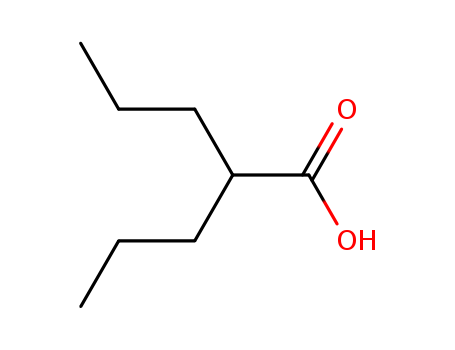
Details
Cost-effective customized wholesale 2-Propylpentanoic acid 99-66-1
- Molecular Formula: C8H16O2
- Molecular Weight: 144.214
- Appearance/Colour: Colorless liquid
- Vapor Pressure: 1.39E-22mmHg at 25°C
- Melting Point: 120 - 130oC
- Refractive Index: 1.4250
- Boiling Point: 220 °C at 760 mmHg
- PKA: 4.6(at 25℃)
- Flash Point: 116.6 °C
- PSA: 37.30000
- Density: 0.926 g/cm3
- LogP: 2.28740
2-Propylpentanoic acid(Cas 99-66-1) Usage
|
Generic formulation |
MHRA/ CHM advice to minimize risk when switching patients with epilepsy between different manufacturers’ products (including generic products): The need for continued supply of a particular manufacturer’s product should be based on clinical judgment and consultation with the patient and/ or carer, taking into account factors such as seizure frequency and treatment history. |
|
Indications |
Epilepsy Monotherapy and adjunctive therapy of focal and generalized seizures. Recommendations summarized from NICE (2012) Seizure types: first line (generalized tonic- clonic seizures, tonic/ atonic seizures, absence seizures, myoclonic seizures, focal seizures), adjunctive (generalized tonic- clonic seizures, absence seizures, myoclonic seizures, focal seizures). Epilepsy types: first line (absence syndromes, juvenile myoclonic epilepsy, epilepsy with generalized tonic- clonic seizures only, idiopathic generalized epilepsy, benign epilepsy with centrotemporal spikes, Panayiotopoulos syndrome, late- onset childhood occipital epilepsy, Dravet syndrome, Lennox– Gastaut syndrome), adjunctive (absence syndromes, juvenile myoclonic epilepsy, epilepsy with generalized tonic- clonic seizures only, idiopathic generalized epilepsy, benign epilepsy with centrotemporal spikes, panayiotopoulos syndrome, late- onset childhood occipital epilepsy). Psychiatry Treatment of acute mania associated with bipolar disorder. Neurology Migraine prophylaxis (unlicensed). |
|
Dose titration |
Epilepsy 600 mg daily divided into 1 or 2 doses, then increased by 150– 300 mg every 3 days; usual maintenance 1000– 2000 mg (or 20–30 mg/ kg) daily divided into 1 or 2 doses (max 2500 mg daily). Mania 750 mg daily divided into 1 or 2 doses, adjusted according to response; usual maintenance 000– 2000 mg daily divided into 1 or 2 doses (doses greater than 45 mg/ kg daily require careful monitoring). |
|
Plasma levels monitoring |
Although plasma levels can be measured, and a therapeutic range has been postulated (40– 100 mg/ L), plasma valproate concentrations are not a useful index of efficacy. Therefore, routine monitoring is unhelpful. |
|
Cautions |
Patients with systemic lupus erythematosus. Patients with a personal or family history of severe hepatic dysfunction (contraindication). Patients with known metabolic disorders (contraindication). ? Patients with suspected metabolic disorders (contraindication). ? Patients with porphyria (contraindication). |
|
Adverse effects |
Valproate can be associated with adverse effects at the level the nervous system and other systems. |
|
Interactions |
With AEDs AEDs with enzyme inducing effect (including carbamazepine, phenobarbital, phenytoin) decrease valproate plasma concentrations. Valproate reduces the metabolism of lamotrigine and increases the lamotrigine mean half- life by nearly two fold. This interaction may lead to increased lamotrigine toxicity, in particular serious skin rashes. Valproate increases phenobarbital and primidone plasma concentrations with exacerbation of its adverse effects (sedation may occur). Valproate may potentiate toxic effects of carbamazepine. Valproate decreases phenytoin total plasma concentration, but displaces phenytoin from its plasma protein binding sites and reduces its hepatic catabolism, thereby increasing phenytoin free form with possible overdose symptoms. Concomitant administration of valproate and topiramate has been associated with encephalopathy and/ or hyperammonaemia. In patients taking these two AEDs, careful monitoring of signs and symptoms is advised (especially in patients with pre- existing encephalopathy). With other drugs Mefloquine and chloroquine increase valproate metabolism and may lower the seizure threshold (therefore, epileptic seizures may occur in cases of combined therapy). Decreases in blood levels of valproate have been reported when it is coadministered with carbapenem antibiotics (such as imipenem, panipenem, meropenem), resulting in a 60– 00% decrease in valproate levels within 2 days, sometimes associated with convulsions. Colestyramine may decrease the absorption of valproate. Rifampicin may decrease valproate blood levels, resulting in a lack of therapeutic effect. In case of concomitant use of valproate and highly protein bound agents (e.g. aspirin), free valproate plasma levels may be increased. Valproic acid plasma levels may be increased (as a result of reduced hepatic metabolism) in case of concomitant use with cimetidine or erythromycin. Valproate may potentiate the effect of other psychotropics such as antipsychotics (especially olanzapine), MAO inhibitors, antidepressants, and benzodiazepines. Valproate may raise zidovudine plasma concentration, possibly leading to increased zidovudine toxicity. The anticoagulant effect of warfarin and other coumarin anticoagulants may be increased following displacement from plasma protein binding sites by valproate. With alcohol/food There are no specific foods that must be excluded from diet when taking valproate. Alcohol intake is not recommended during treatment with valproate. |
|
Special populations |
Hepatic impairment Avoid if possible: hepatotoxicity and hepatic failure may occasionally occur (usually in first 6 months). Avoid in active liver disease. Renal impairment In patients with renal insufficiency, it may be necessary to decrease dosage of valproate. As monitoring of plasma concentrations may be misleading, dosage should be adjusted according to clinical monitoring. Pregnancy Valproate is associated with the highest risk of major and minor congenital malformations (in particular neural tube defects) and neurodevelopmental effects among AEDs. Therefore, valproate should not be used during pregnancy or in women of child- bearing age unless there is no safer alternative and only after a careful discussion of the risks. If valproate is to be used during pregnancy, the lowest effective dose should be prescribed in divided doses or as modified- release tablets to avoid peaks in plasma valproate concentrations (doses greater than 000 mg daily are associated with an increased risk of teratogenicity). The dose should be monitored carefully during pregnancy and after birth, and adjustments made on a clinical basis. Avoid use in the treatment of epilepsy and bipolar disorder unless there is no safer alternative and only after a careful discussion of the risks (effective contraception advised in women of child- bearing potential). Neonatal bleeding (related to hypofibrinaemia) and hepatotoxicity have been reported, and specialist prenatal monitoring should be instigated when valproate has been taken in pregnancy. Valproate is excreted in human milk with a concentration ranging from 1 to 10% of maternal serum levels. Haematological disorders have been shown in breastfed newborns/ infants of treated women. A decision must be made whether to discontinue breastfeeding or to discontinue/ abstain from valproate therapy, taking into account the benefit of breastfeeding for the child and the benefit of therapy for the woman. |
|
Behavioural and cognitive effects in patients with epilepsy |
The incidence of adverse psychiatric effects associated with valproate in patients with epilepsy is overall negligible (apart from reports of depression, irritability, and other behavioural symptoms in the context of encephalopathy). Cognitive difficulties have occasionally been reported in patients with epilepsy treated with valproate, especially affecting attention and memory functions. |
|
Psychiatric use |
Valproate is an effective mood stabilizer, licensed for the treatment of acute mania in patients with bipolar disorder. Although it has no formal indication, it is also considered a first- line agent for maintenance treatment in bipolar disorder. There is evidence suggesting efficacy of valproate in the treatment of hostility among patients with acute alcohol- associated hallucinosis or schizophrenia, and in impulsive/ aggressive behaviours, either in isolation or in the context of comorbid bipolar disorder or personality disorder. Available data show a limited efficacy of valproate in depressive disorders, schizophrenia, pathological gambling, as well as benzodiazepine/ cannabis/ cocaine dependence and acute alcohol withdrawal. |
|
Therapeutic Function |
Anticonvulsant |
|
Biological Functions |
Although it is marketed as both valproic acid (Depakene) and as sodium valproate (Depakote), it is the valproate ion that is absorbed from the gastrointestinal tract and is the active form. As with several other AEDs, it is difficult to ascribe a single mechanism of action to valproic acid.2-Propylpentanoic acid has broad anticonvulsant activity, both in experimental studies and in the therapeutic management of human epilepsy.Valproic acid has been shown to block voltage-dependent sodium channels at therapeutically relevant concentrations. In several experimental studies, valproate caused an increase in brain GABA; the mechanism was unclear.There is evidence that valproate may also inhibit T-calcium channels and that this may be important in its mechanism of action in patients with absence epilepsy. |
|
Air & Water Reactions |
Insoluble in water. |
|
Reactivity Profile |
2-Propylpentanoic acid is a carboxylic acid. Carboxylic acids donate hydrogen ions if a base is present to accept them. They react in this way with all bases, both organic (for example, the amines) and inorganic. Their reactions with bases, called "neutralizations", are accompanied by the evolution of substantial amounts of heat. Neutralization between an acid and a base produces water plus a salt. Carboxylic acids with six or fewer carbon atoms are freely or moderately soluble in water; those with more than six carbons are slightly soluble in water. Soluble carboxylic acid dissociate to an extent in water to yield hydrogen ions. The pH of solutions of carboxylic acids is therefore less than 7.0. Many insoluble carboxylic acids react rapidly with aqueous solutions containing a chemical base and dissolve as the neutralization generates a soluble salt. Carboxylic acids in aqueous solution and liquid or molten carboxylic acids can react with active metals to form gaseous hydrogen and a metal salt. Such reactions occur in principle for solid carboxylic acids as well, but are slow if the solid acid remains dry. Even "insoluble" carboxylic acids may absorb enough water from the air and dissolve sufficiently in 2-Propylpentanoic acid to corrode or dissolve iron, steel, and aluminum parts and containers. Carboxylic acids, like other acids, react with cyanide salts to generate gaseous hydrogen cyanide. The reaction is slower for dry, solid carboxylic acids. Insoluble carboxylic acids react with solutions of cyanides to cause the release of gaseous hydrogen cyanide. Flammable and/or toxic gases and heat are generated by the reaction of carboxylic acids with diazo compounds, dithiocarbamates, isocyanates, mercaptans, nitrides, and sulfides. Carboxylic acids, especially in aqueous solution, also react with sulfites, nitrites, thiosulfates (to give H2S and SO3), dithionites (SO2), to generate flammable and/or toxic gases and heat. Their reaction with carbonates and bicarbonates generates a harmless gas (carbon dioxide) but still heat. Like other organic compounds, carboxylic acids can be oxidized by strong oxidizing agents and reduced by strong reducing agents. These reactions generate heat. A wide variety of products is possible. Like other acids, carboxylic acids may initiate polymerization reactions; like other acids, they often catalyze (increase the rate of) chemical reactions. 2-Propylpentanoic acid is incompatible with bases, oxidizing agents and reducing agents. 2-Propylpentanoic acid is corrosive. . |
|
Fire Hazard |
2-Propylpentanoic acid is combustible. |
|
Biochem/physiol Actions |
Anticonvulsant that also has efficacy as a mood stabilizer in bipolar disorder |
|
Mechanism of action |
Although its mechanism of action is not clearly established, valproate appears to increase the inhibitory effect of GABA, possibly by activation of glutamic acid decarboxylase or inhibition of GABA-transaminase). The high drug concentrations required, however, cast doubt on the clinical relevance of this effect. Furthermore, valproate recently has been shown to decrease the uptake of GABA into cultured astrocytes; this action may contribute to the AED efficacy. Valproate is known to produce a blockade of high-frequency repetitive firing by slowing the rate of Na+ recovery from inactivation, a mechanism consistent with the actions of phenytoin and CBZ. Valproate blocks the low-threshold T-type Ca2+ channel. Consequently, the overall therapeutic utility of valproate is likely caused by multiple effects. Valproate is indicated for initial or adjunct treatment of absence seizures or as an adjunct when absence seizures occur in combination with either tonic-clonic seizures, myoclonic seizures, or both. For patients with unambiguous idiopathic generalized epilepsy, valproate often is the drug of choice, because it controls absence, myoclonic, and generalized tonic-clonic seizures well. It also is approved by U.S. FDA for use in complex partial seizures, occurring with or without other seizure types in adults or children 10 years of age or older. In new patients with typical absence seizures, ethosuximide is preferred to valproate because of the latter drug's risk of producing hepatotoxicity. In a comparative trial, sodium valproate and ethosuximide were equally effective when either drug was given alone or in combination with other AEDs in children with typical absence seizures. In atypical absence seizures (Lennox-Gastaut syndrome), sodium valproate is more effective, whereas in myoclonic seizures, it is less effective than clonazepam. Valproate is approved by the U.S. FDA for use in bipolar disorder and against migraine headaches. |
|
Pharmacokinetics |
Valproate undergoes rapid and complete absorption, which is only slightly slowed by food. It is 90% protein bound, and its clearance is dose-dependent because of an increase in the free fraction of the drug at higher doses. It is metabolized almost entirely by the liver, with 30 to 50% of an orally administered dose being eliminated in the urine as its acyl glucuronide conjugate, 40% from mitochondrial β-oxidation, approximately 15 to 20% by ω-oxidation, and less than 3% is excreted unchanged in urine. Its major active metabolite is (E)-2-ene valproate (trans 2-ene valproate). Its 4-ene metabolite has been proposed to be a reactive metabolite responsible for the hepatotoxicity of valproate. Other metabolites found in the urine include 3-oxo- and 4-hydroxyvalproate. The elimination half-life for valproate ranged from 9 to 16 hours following oral dosing regimens of 250 to 1,000 mg. Patients who are not taking enzyme-inducing AEDs (carbamazepine, phenytoin, and phenobarbital) will clear valproate more rapidly; therefore, monitoring of AED plasma concentrations should be intensified whenever concurrent AEDs are introduced or withdrawn. |
|
Side effects |
The most serious adverse effect associated with valproic acid is fatal hepatic failure. Fatal hepatotoxicity is most likely to occur in children under age 2 years, especially in those with severe seizures who are given multiple anticonvulsant drug therapy. The hepatotoxicity is not dose related and is considered an idiosyncratic reaction; it can occur in individuals in other age groups, and therefore, valproic acid should not be administered to patients with hepatic disease or significant hepatic dysfunction or to those who are hypersensitive to it. Valproic acid administration has been linked to an increased incidence of neural tube defects in the fetus of mothers who received valproate during the first trimester of pregnancy. Patients taking valproate may develop clotting abnormalities. Valproic acid causes hair loss in about 5% of patients, but this effect is reversible. Transient gastrointestinal effects are common, and some mild behavioral effects have been reported. Metabolic effects, including hyperglycemia, hyperglycinuria, and hyperammonemia, have been reported. An increase in body weight also has been noted. Valproic acid is not a CNS depressant, but its administration may lead to increased depression if it is used in combination with phenobarbital, primidone, benzodiazepines, or other CNS depressant agents. |
|
Synthesis |
Valproic acid, 2-propylvaleric acid (9.4.3), is synthesized by the alkylation of cyanoacetic ester with two moles of propylbromide, to give dipropylcyanoacetic ester (9.4.1). Hydrolysis and decarboxylation of the carbethyoxy group gives dipropylacetonitrile (9.4.2), which is hydrolyzed into valproic acid (9.4.3) [12–15]. |
|
references |
[1] phiel c j, zhang f, huang e y, et al. histone deacetylase is a direct target of valproic acid, a potent anticonvulsant, mood stabilizer, and teratogen. journal of biological chemistry, 2001, 276(39): 36734-36741.[2] chateauvieux s, morceau f, dicato m, et al. molecular and therapeutic potential and toxicity of valproic acid. biomed research international, 2010, 2010. |
|
Definition |
ChEBI: A branched-chain saturated fatty acid that comprises of a propyl substituent on a pentanoic acid stem. |
|
Brand name |
Depakene (Abbott);Valproine;Vederon. |
|
General Description |
VPA is an established AED with a simple chemical structurebut an unusually broad spectrum of action. It is generallywell tolerated, but its use is limited by two rare but significanttoxic side effects (hepatotoxicity and teratogenicity) thatcan be dose-dependent or idiosyncratic in nature.Thesedrawbacks are apparently shared by its equipotent activemetabolite, (E)-2-propyl-2-pentenoic acid (2-ene-VPA).VPA is also an important inhibitor of the cytochrome P450isozymes, mainly of CYP2C9 and also of uridine diphosphate(UDP)-glucuronyl transferase and epoxide hydrolase. |
InChI:InChI=1/C26H28Cl2N4O4.C8H16O2/c1-19(33)31-10-12-32(13-11-31)21-3-5-22(6-4-21)34-15-23-16-35-26(36-23,17-30-9-8-29-18-30)24-7-2-20(27)14-25(24)28;1-3-5-7(6-4-2)8(9)10/h2-9,14,18,23H,10-13,15-17H2,1H3;7H,3-6H2,1-2H3,(H,9,10)/t23-,26-;/m0./s1
99-66-1 Relevant articles
23Na magic-angle spinning and double-rotation NMR study of solid forms of sodium valproate
Dicaire, Nuiok M.,Perras, Frederic A.,Bryce, David L.
, p. 9 - 15 (2014)
Sodium valproate is a pharmaceutical wit...
Michael reaction of nitroalkanes with β-nitroacrylates under a solid promoter: Advanced regio-and diastereoselective synthesis of nitro-functionalized ββ-unsaturated esters and 1,3-butadiene-2-carboxylates
Palmieri, Alessandro,Gabrielli, Serena,Ballini, Roberto
, p. 1485 - 1492 (2010)
A new class of nitro-functionalized α,β-...
Novel method for preparing valproic acid
-
Paragraph 0018; 0027-0051, (2021/08/06)
The invention discloses a novel method f...
Preparation method of sodium valproate
-
Paragraph 0044-0049; 0052-0057; 0060-0065; 0068-0073; ..., (2021/08/06)
The invention discloses a preparation me...
Achiral Derivatives of Hydroxamate AR-42 Potently Inhibit Class i HDAC Enzymes and Cancer Cell Proliferation
Tng, Jiahui,Lim, Junxian,Wu, Kai-Chen,Lucke, Andrew J.,Xu, Weijun,Reid, Robert C.,Fairlie, David P.
supporting information, p. 5956 - 5971 (2020/06/05)
AR-42 is an orally active inhibitor of h...
Preparation method and application of Grignard reagent
-
Paragraph 0053; 0056; 0057, (2020/12/29)
The invention relates to a preparation m...
99-66-1 Process route
-

-
142-82-5
n-heptane

-
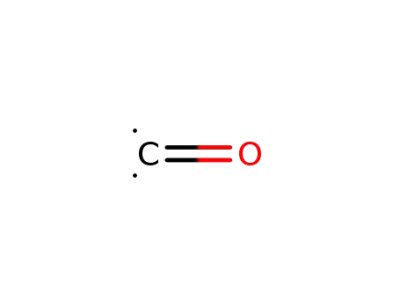
-
201230-82-2
carbon monoxide

-

-
149-57-5
2-Ethylhexanoic acid
-

-
116454-37-6,128441-06-5,1188-02-9
2-methylheptanoic acid
-
-
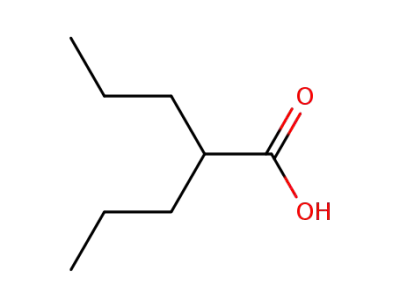
99-66-1
valproic acid
| Conditions | Yield |
|---|---|
|
With
potassium peroxodisulfate; Cu(1,10-phenanthroline)(1,2-ethanediphosphonic acid); water;
In
acetonitrile;
at 60 ℃;
for 4h;
under 15201 Torr;
Overall yield = 29.1 %;
Autoclave;
High pressure;
|
5.3%
10.5% 12.4% |
-

-
592-76-7
1-Heptene
-
-
201230-82-2
carbon monoxide
-
-
149-57-5
2-Ethylhexanoic acid
-
-
116454-37-6,128441-06-5,1188-02-9
2-methylheptanoic acid
-
-
99-66-1
valproic acid
| Conditions | Yield |
|---|---|
|
Multistep reaction;
(i) BF3*H2SO4, (ii) H2O;
|
|
|
With
sulfuric acid;
at -5 ℃;
under 76000 Torr;
|
99-66-1 Upstream products
-
917-64-6
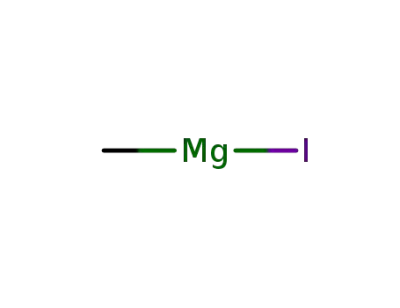
methyl magnesium iodide
-
6065-63-0
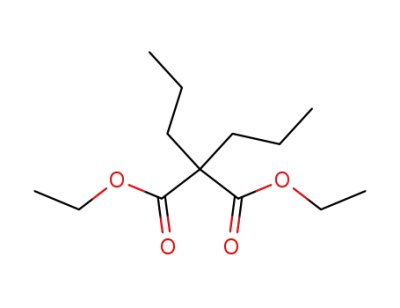
2,2-dipropyl-malonic acid diethyl ester
-
76002-02-3
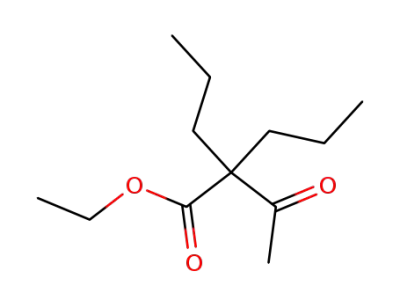
ethyl 2-acetyl-2-propylpentanoate
-
18295-59-5
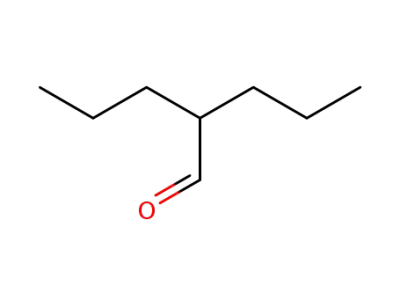
2-propylpentanal
99-66-1 Downstream products
-
17022-31-0
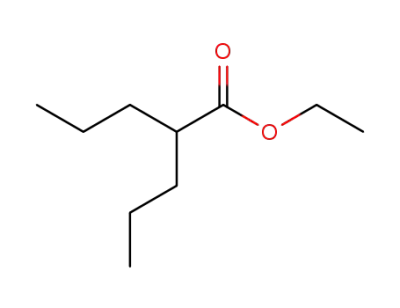
ethyl 2-propylpentanoate
-
2936-08-5
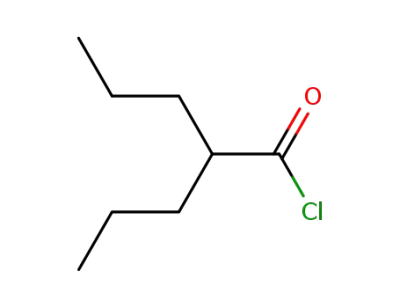
valproyl chloride
-
99174-91-1
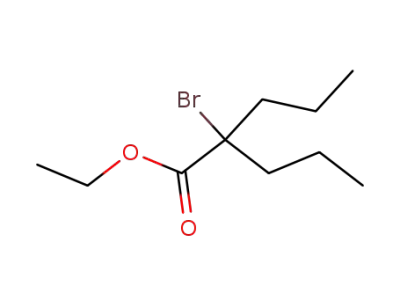
2-bromo-2-propyl pentanoic acid ethyl ester
-
119748-12-8
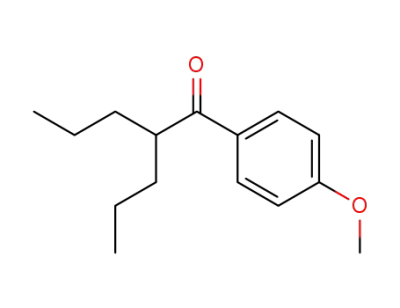
1-(4-methoxy-phenyl)-2-propyl-pentan-1-one
Related Products
-
-
-
 5-Bromoacetyl-2-bensyloxybenzoic acid methyl ester
CAS:27475-14-5